The complexity of your home layout influences the labor requirements for a restoration project. Large, rectangular rooms allow technicians to operate heavy machinery continuously, which streamlines the process. In contrast, hallways, closets, and stairs require significant manual work with handheld edgers and scrapers. If your floors feature intricate patterns or parquet designs, the sanding phase requires more precision to avoid damaging the grain. You must also consider the cost of specialized finishes, as high-traffic oil-based products and eco-friendly water-based options sit at different price points.
| Refinishing Method | Labor Intensity | Primary Benefit |
|---|---|---|
| Screen and Coat | Low | Restores shine without removing wood material |
| Full Sand and Refinish | High | Eliminates deep scratches and allows color changes |
| Stain and Seal | Moderate | Protects raw wood and enhances aesthetic appeal |
How to Refinish Hardwood Floors: The Professional Process
The restoration journey begins with a thorough inspection and site preparation. Professionals remove all furniture and window treatments to prevent dust accumulation on fabric surfaces. The team seals doorways with plastic barriers and covers electrical outlets. This containment strategy keeps fine wood particles from traveling through the house or entering the cooling system. Before the machines start, technicians check for loose boards or protruding nails that could tear the sanding belts. A clean, stable surface ensures the machinery operates at peak efficiency.
Effective sanding follows a strict progression of grit sequences to create a perfectly level surface. Technicians start with a coarse grit to strip away the old finish and level out uneven planks. They move through medium and fine grits to erase the scratch patterns left by the initial passes. Experts use a drum sander for the main floor area while using a specialized edger for the perimeter. This multi-stage approach ensures the wood is smooth and ready to accept a new stain or sealant. Between every sanding pass, the crew vacuums the entire area and uses tack cloths to remove the smallest dust particles.
Applying the finish requires a controlled environment to prevent bubbles or debris from settling in the liquid. If you choose a new stain, the professional applies it evenly to ensure consistent color saturation across the room. After the stain cures, the team applies multiple layers of polyurethane. Water-based finishes offer fast drying times and low odors, while oil-based options provide a traditional warm glow. Each layer must dry completely before a light buffing and the application of the final top coat. This meticulous application creates a durable barrier against the moisture and humidity common in Florida.
Can You Refinish Engineered Hardwood Floors?
Property owners must verify the construction of their flooring before attempting a refinishing project. Engineered hardwood consists of a real wood veneer bonded to a plywood or high-density fiberboard core. Your ability to refinish these floors depends entirely on the thickness of that top layer, known as the wear layer. If the wear layer measures at least three millimeters, a professional can typically perform one full sanding. Thinner veneers cannot withstand the abrasive force of a drum sander without exposing the core material beneath.
When the wear layer is too thin for sanding, a “buff and coat” procedure serves as a safer alternative. This process abrades the existing finish rather than the wood itself. It removes surface scuffs and refreshes the luster of the floor without risking the integrity of the veneer. If your engineered floors show significant damage or water warping, you might require a new hardwood flooring installation. Consulting with a specialist helps you determine if your specific product has enough material remaining for a successful restoration.
Maintaining Your Refinished Floors
Proactive care extends the life of your new finish and delays the need for future restoration. You should place high-quality mats at every entrance to catch sand and grit before it scratches the wood. Felt protectors under furniture legs prevent gouges when chairs or tables move. Avoid using wet mops or steam cleaners, as excessive moisture can cause wood to swell or the finish to peel. Instead, use a dry microfiber mop for daily cleaning and a manufacturer-recommended wood cleaner for weekly maintenance. Routine inspections help you identify thinning finish in high-traffic areas before the raw wood suffers damage.
- Sweep or vacuum daily to remove abrasive dirt and debris.
- Wipe up liquid spills immediately to prevent staining or warping.
- Maintain a consistent indoor humidity level to minimize wood expansion.
- Avoid wearing high heels or cleats on the wood surface.
- Use area rugs in hallways and kitchens to reduce finish wear.
Choosing Between Refinishing and Replacement
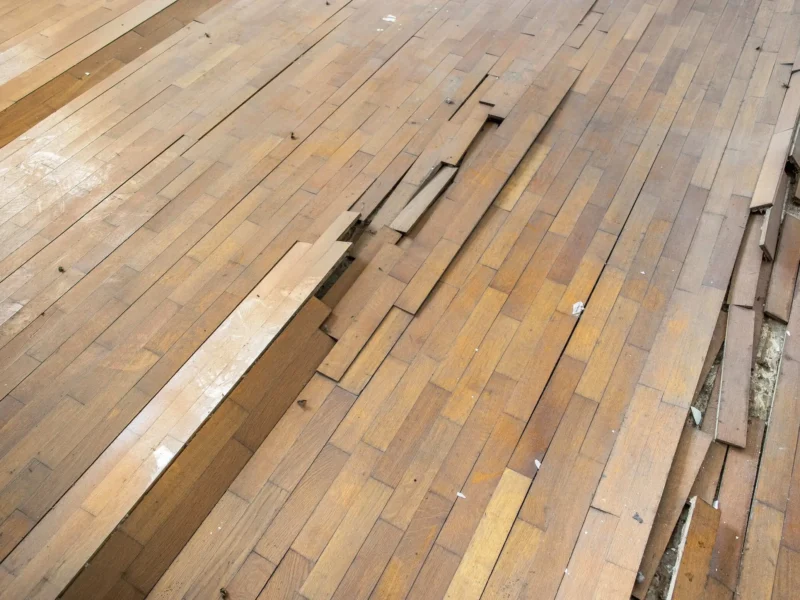
Deciding whether to refinish or replace your floors involves assessing the structural health of the wood. If the planks remain thick and securely fastened, refinishing provides a cost-effective way to update your home style. However, if the wood has suffered extensive water damage, termite infestation, or structural rot, replacement becomes the necessary choice. Refinishing cannot fix deep structural issues or significant gaps caused by poor initial installation. Filar Flooring provides professional assessments to help you choose the most logical path for your Sarasota property.
Let’s get started. Contact us today for a free consultation.
Contact us for a free in-home estimate. We'll help you find the perfect flooring solution for your home and budget.
GET A FREE QUOTE