Is Engineered Hardwood Real Wood?
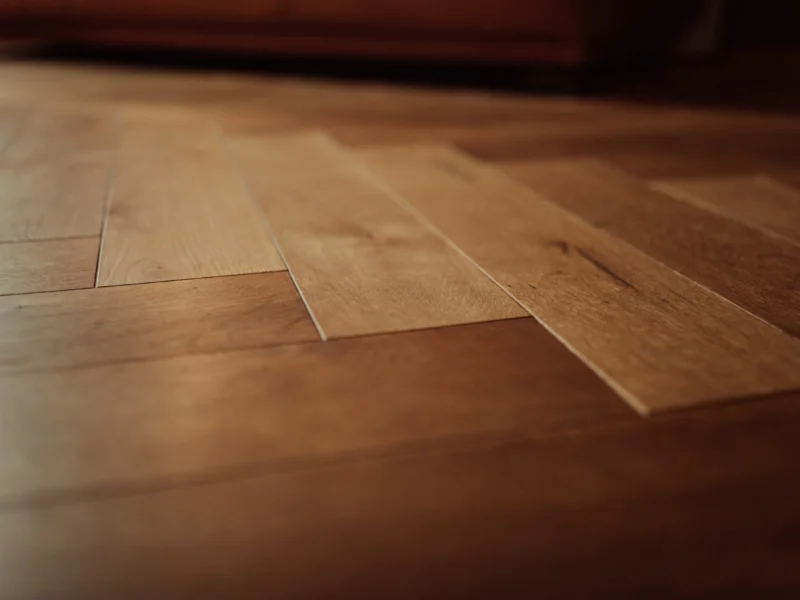
Yes. The top layer of engineered hardwood is a slice of real hardwood — the same species you’d find in solid hardwood floors: oak, hickory, maple, walnut, and others. The difference is what sits beneath that veneer. Solid hardwood runs the same species all the way through the plank. Engineered hardwood uses a layered core to offset the wood’s natural response to changes in moisture and temperature.
How the Core Layer Works
The core of an engineered hardwood plank consists of multiple layers of wood or plywood glued together with the grain running in alternating directions. This cross-ply construction reduces how much the plank expands and contracts as humidity shifts. Solid hardwood moves with the seasons — it swells in summer and shrinks in winter. Engineered hardwood still moves, but the core holds it much closer to its original dimensions. In a climate like Sarasota’s, where indoor humidity varies throughout the year, that stability makes a real difference in how a floor performs over time. Most engineered hardwood cores use five to nine plies of wood, and more plies generally mean a more stable plank. When comparing products, a plywood core outperforms an HDF core for long-term stability, though HDF still works well in moderate conditions and carries a lower price point.
What the Veneer Layer Does
The veneer — also called the wear layer — is the hardwood you see and walk on. Its thickness ranges from 1mm to 6mm depending on the product. Thicker veneer matters for one specific reason: refinishing. A 2mm wear layer allows one light sand and refinish, while a 4mm to 6mm layer allows two to three refinishes over the floor’s lifetime. If you want a floor you can restore decades from now, look for a veneer of at least 3mm. The species, cut, and finish all come from the veneer, which means you get the same grain, knot patterns, and color variation as solid hardwood — because it is solid hardwood, just in a thinner slice. Plain-sawn cuts show wider grain patterns, quarter-sawn cuts produce a tighter, more uniform look, and rift-sawn cuts fall between the two in visual character.
Is Engineered Hardwood Waterproof?
No. Engineered hardwood resists moisture better than solid hardwood, but it is not waterproof. The core layers absorb water when a floor stays wet long enough, and the veneer will cup or warp under standing water. For a bathroom, laundry room, or any area that sees water on the floor on a regular basis, engineered hardwood is not the right choice. For kitchens, dining rooms, and living areas where spills happen occasionally, it performs well if you wipe up water within a few minutes of the spill occurring. The moisture resistance comes from two sources: the finish coating on the surface, and the cross-ply core. A good aluminum oxide finish creates a hard, water-resistant top coat that holds up to daily traffic and occasional liquid contact. The layered core doesn’t swell as dramatically as solid wood when the subfloor or surrounding air carries moisture. In Florida homes with air conditioning running most of the year, indoor humidity stays controlled enough that engineered hardwood holds up without problems in main living areas. If you want a floor that handles standing water, tile and luxury vinyl plank are the appropriate alternatives. If you want real wood character in a high-humidity region without full waterproofing requirements, engineered hardwood sits in a practical middle position between solid hardwood and synthetic options.
Can Engineered Hardwood Be Refinished?
Yes, with conditions. The number of times you can refinish an engineered hardwood floor depends on the wear layer thickness. Sanding removes material from the veneer, and once you sand through it, the floor needs full replacement. A 2mm veneer gives you one refinish at most. A 6mm veneer can handle two to three refinishes, which translates to a 30 to 50-year lifespan if you maintain the floor and finish it on schedule. Most engineered hardwood at mid-range price points carries a 2mm to 3mm wear layer — enough for one refinish, which is typically all a well-maintained floor needs over 20 to 25 years. A professional hardwood floor refinishing service can restore scratched or dull engineered hardwood without replacement, as long as the veneer still has material to work with. Screen-and-recoat is a lighter option that skips the sanding step entirely — it scuffs the existing finish and applies a new coat over it. This approach works for surface-level dullness and light scratches, and it extends the time between full refinishes. It does not fix deep gouges, staining in the wood, or structural damage. Knowing your wear layer thickness before scheduling any refinishing work tells you which option is available and how many refinishes remain in the floor’s lifespan.
Engineered Hardwood vs. Solid Hardwood vs. LVP
These three flooring types compete for similar rooms and budgets, but they perform differently across key areas. The comparison below covers what Florida homeowners need to weigh before choosing.
| Feature | Engineered Hardwood | Solid Hardwood | LVP |
|---|---|---|---|
| Real wood content | Yes (veneer layer) | Yes (full plank) | No |
| Moisture resistance | Moderate | Low | High |
| Can be refinished | Yes (1–3 times) | Yes (multiple times) | No |
| Typical lifespan | 25–50 years | 50–100 years | 15–25 years |
| Material cost per sq ft | $3–$10 | $5–$15 | $2–$7 |
| Installs over concrete | Yes | Limited | Yes |
| Wood feel underfoot | Yes | Yes | No |
Solid hardwood lasts longer and tolerates more refinishes over its lifetime, but it requires a wood subfloor, reacts more to humidity, and costs more to purchase and install. In Sarasota’s climate, solid hardwood needs careful acclimation and a well-controlled indoor environment year-round to avoid cupping, gapping, or warping as the seasons shift. Homeowners who want solid hardwood should factor in those conditions before committing.
LVP costs less upfront and handles water better than either wood option, which makes it the right call for bathrooms, laundry rooms, and spaces where wet conditions are routine. It doesn’t feel like wood underfoot, it can’t be refinished when the surface wears, and its 15 to 25-year lifespan means replacement sooner than engineered hardwood. For homeowners who want real wood look and feel and plan to stay in the house long-term, engineered hardwood holds more value than LVP in main living areas. LVP wins on water resistance and upfront cost. Engineered hardwood wins on authenticity, refinishability, and resale appeal.
How to Choose the Right Engineered Hardwood for Your Home
Start with the room. Engineered hardwood suits living rooms, bedrooms, dining rooms, hallways, and kitchens that see normal spill levels. Skip it for bathrooms, laundry rooms, or any space where water sits on the floor. Once you’ve confirmed the room, look at these factors before selecting a product:
- Wear layer thickness — 3mm or more if you want refinishing options; 2mm works for shorter-term installs or budget-conscious projects
- Core construction — plywood cores offer better stability than HDF in humid Florida conditions
- Subfloor type — engineered hardwood installs over wood subfloors, concrete slabs, and existing flooring depending on whether you float, glue, or nail it down
- Plank width — wider planks (5 inches and above) show more grain and suit open floor plans; narrower planks (3 to 4 inches) work well in smaller rooms and traditional interiors
- Species — oak hides scratches and dust well; hickory is harder with dramatic grain variation; maple shows more tonal range and works well in contemporary spaces
- Surface finish — matte and satin finishes hide everyday wear better than high-gloss; wire-brushed textures add depth and mask light scratches between refinishes
Engineered hardwood gives Florida homeowners a real wood floor without the full humidity sensitivity that solid hardwood carries. With the right product selection and a proper installation, it holds up for decades in the right spaces. Filar Flooring handles everything from material selection through hardwood flooring installation in Sarasota and the surrounding area. Contact us today for a free consultation.
Contact us for a free in-home estimate. We'll help you find the perfect flooring solution for your home and budget.
GET A FREE QUOTE